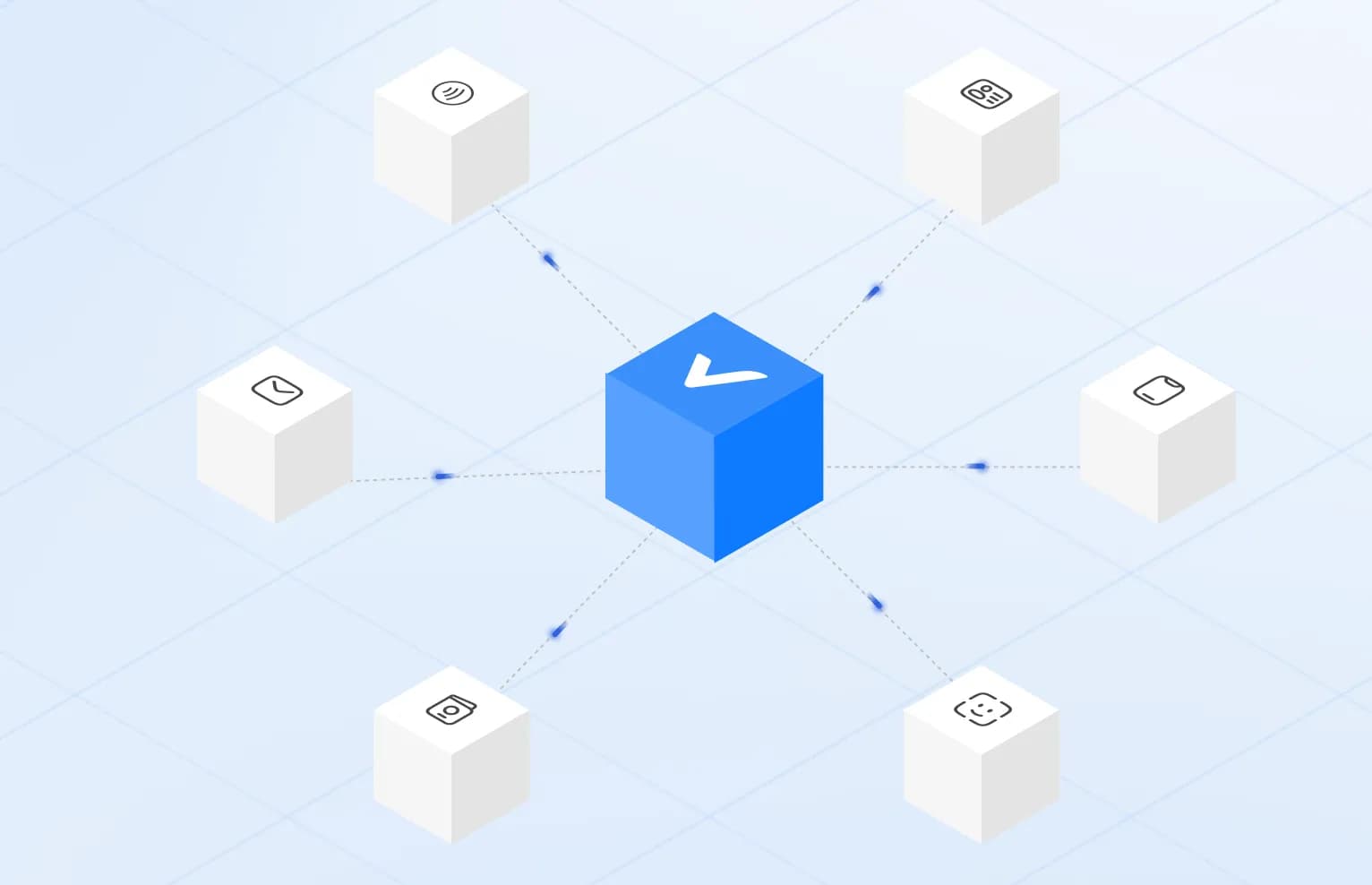
Identity Verified
How Modern Identity Verification Works
From document checks to biometrics, understand the layers behind a modern verification flow.
4 min · October 2026
Read More: How Modern Identity Verification WorksMissing a country or a custom check? Usually live within a day.Book a 15-min call
A practical guide to how modern identity verification works, what businesses actually need to verify, and how privacy can remain central to the process.
Digital services increasingly need to know who is on the other side of an interaction. Identity verification helps businesses establish that a person is who they claim to be before granting access, completing a transaction or creating an account.
But modern verification is no longer simply about checking an ID document.
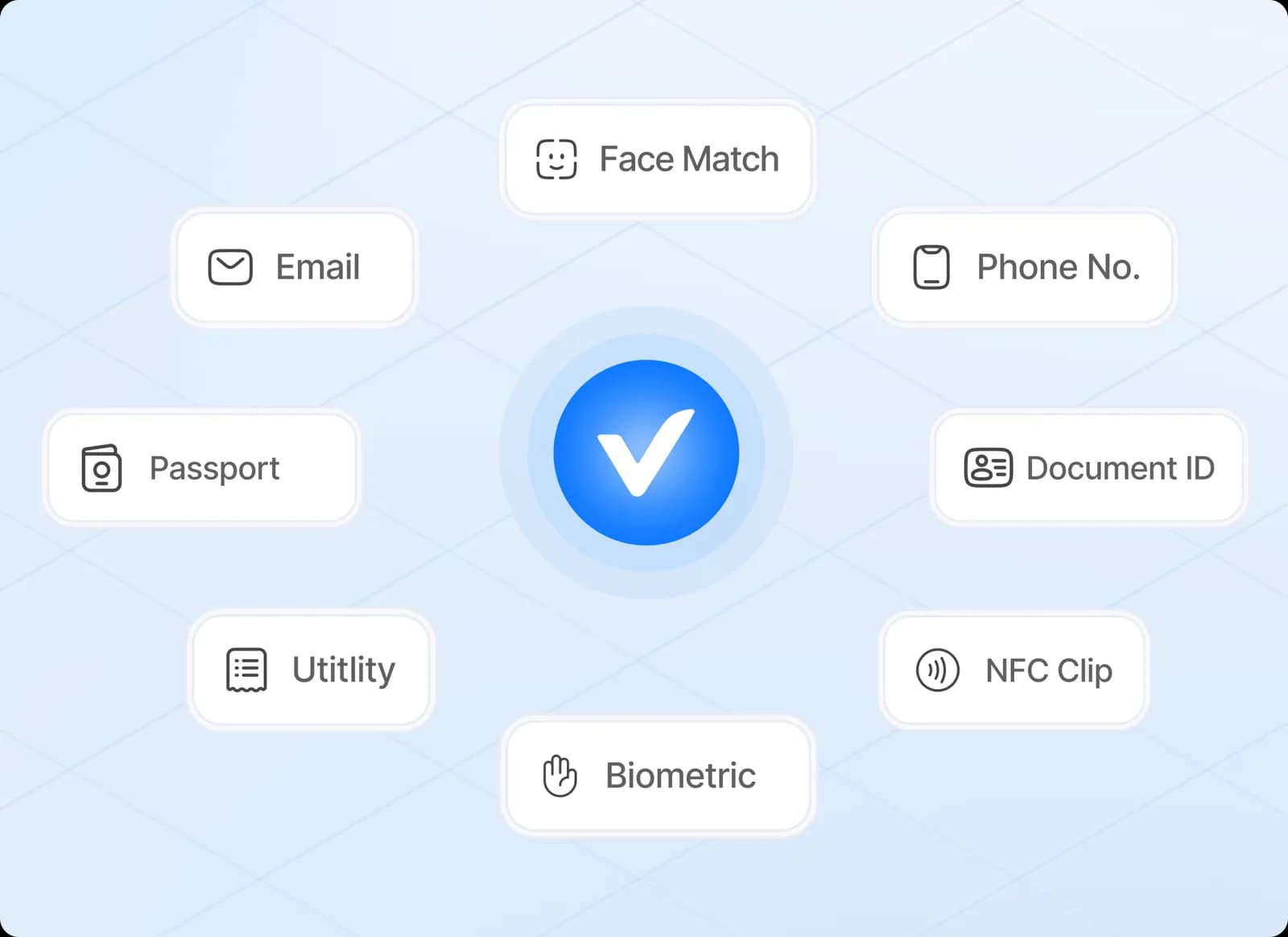
It can combine document verification, biometric matching, liveness detection, NFC chip reading and additional signals to establish identity with greater confidence.
At its simplest, identity verification answers one question: is this person who they say they are? A business collects evidence — usually an identity document and a live image of the person — and checks that the evidence is genuine, consistent and belongs to the person presenting it.
It is often confused with two related ideas. The difference matters, because each solves a different problem.
Most organisations don't verify identities for the sake of it. They do it because something depends on knowing who a customer is: a regulatory obligation, a financial risk, a duty of care, or the trust of other users.
In each case, verification is a means to an end: reducing a specific risk while letting legitimate people through with as little effort as possible.
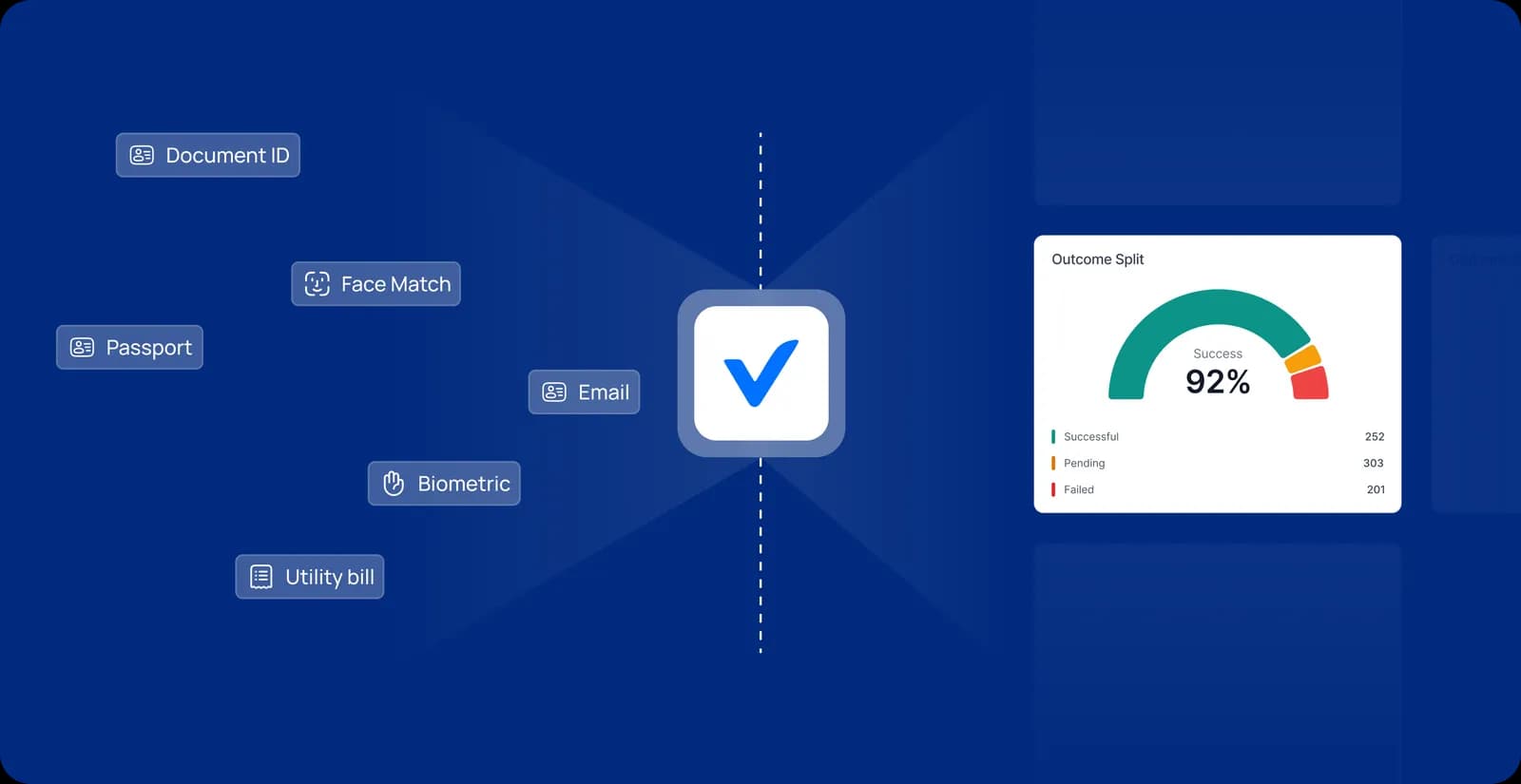
Most verification flows follow the same sequence, even when the individual checks differ. Select a step to see what happens.
In each case, verification is a means to an end: reducing a specific risk while letting legitimate people through with as little effort as possible.
Identity verification handles some of the most sensitive data a person has — their face, their document and their personal details. How that data is treated matters as much as how accurately it is checked.
| Criteria | Identity verification | Authentication |
|---|---|---|
| Core question | “Are you really the person you claim to be?” | “Are you the authorized person returning to the account?” |
| When | Once at onboarding or a high-risk event | Every login or sensitive action |
| Evidence | Identity document, face, liveness, chip | Password, passkey, device or biometric unlock |
| Checked against | An official identity document | Credentials set up earlier |
| Outcome | A trusted identity is established | Access to an existing account |
Identity verification should create trust without creating unnecessary friction.
Digital identity verification is about establishing, with reasonable confidence, that a person is who they claim to be. It is not a single check but a combination of evidence: a document, a face, proof of presence and, increasingly, the chip inside the document.
Each layer addresses a different weakness. Documents can be forged, photos replayed and faces synthesised. Layering checks makes each of those attacks harder to carry out.
Privacy is part of the design, not an afterthought. Collecting less, keeping it for less time and returning only the result a business needs reduces risk for everyone involved.
The best verification experiences are the ones people barely notice — clear, quick and proportionate to what is at stake.
This article is general information, not legal or compliance advice. Your obligations depend on your sector, licence and markets.

Build a verification experience around your business.
From document checks to biometrics, understand the layers behind a modern verification flow.
4 min · October 2026
Read More: How Modern Identity Verification Works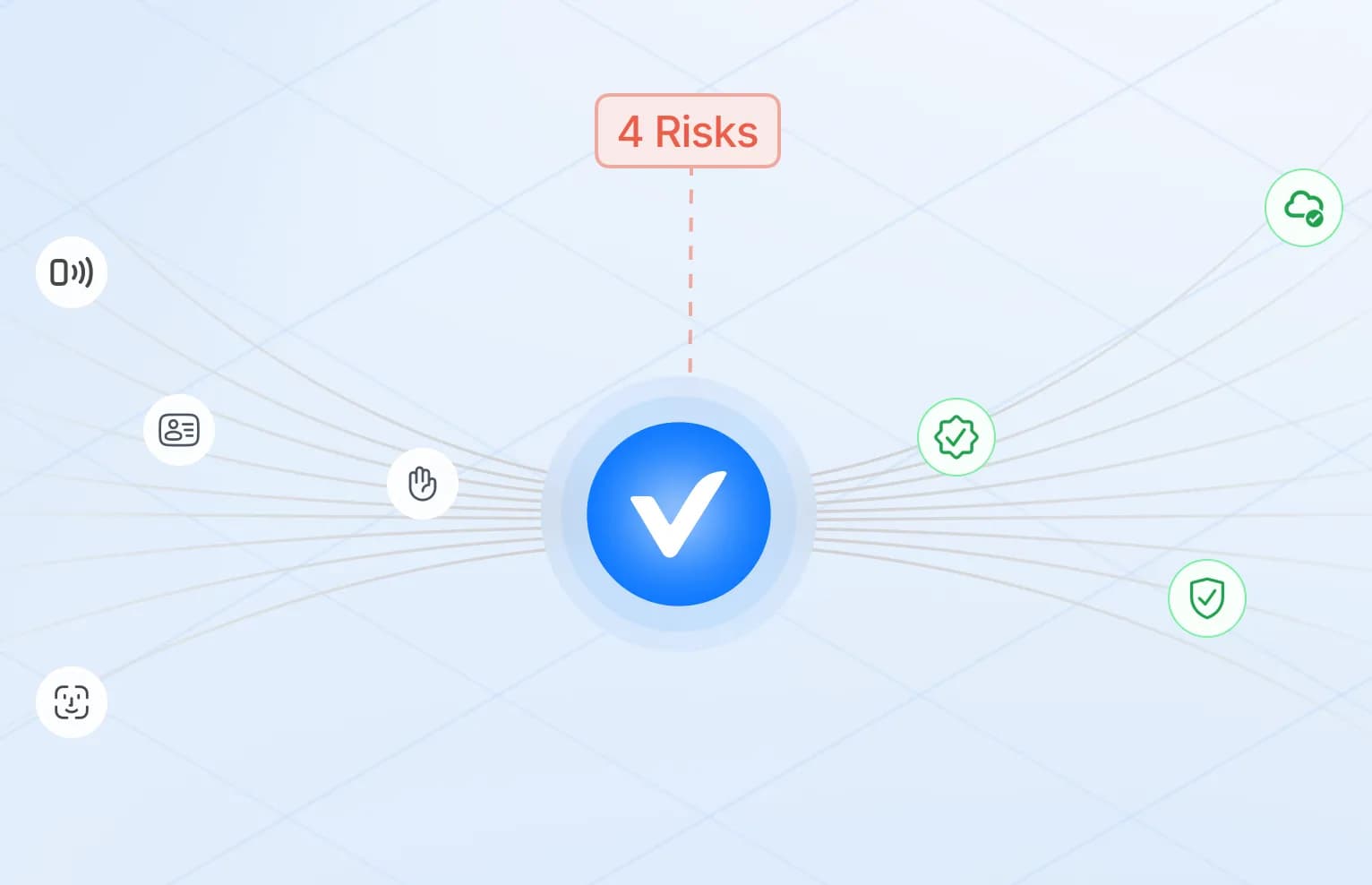
How attackers exploit documents, images and digital identity signals — and where verification stops them.
5 min · October 2026
Read More: The New Anatomy of Identity Fraud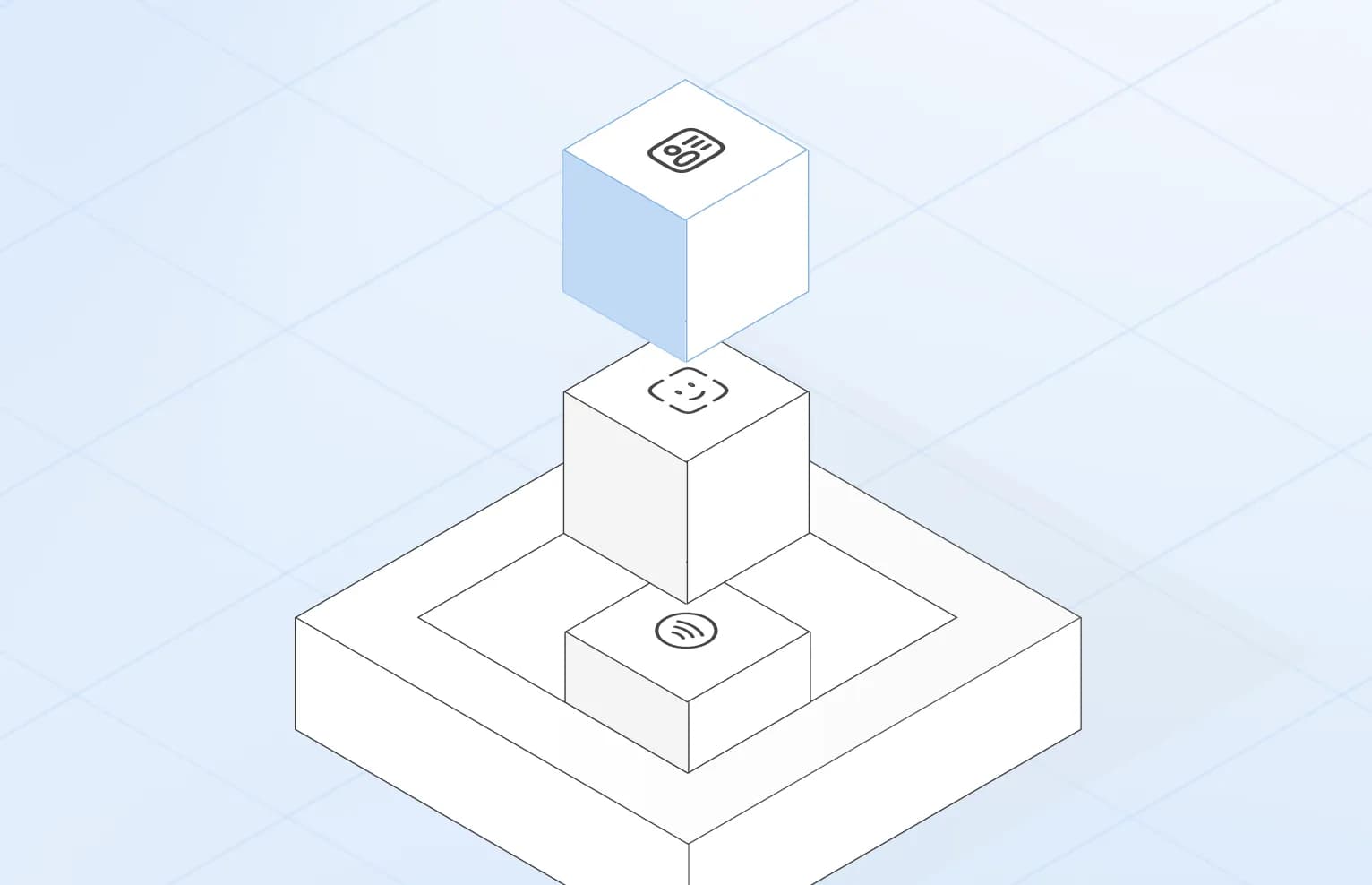
How document, biometric and signal checks fit together in a production verification pipeline.
5 min · October 2026
Read More: Inside a Modern Verification StackTell us what you’re trying to verify. We’ll show you how secuveri can fit your workflow.